Shapes and details
Match these details with the seller.
Keep the model code, selected size and lens description with the order record.
As an Amazon Associate, we earn from qualifying purchases. Check the selected model, size and lens before ordering.
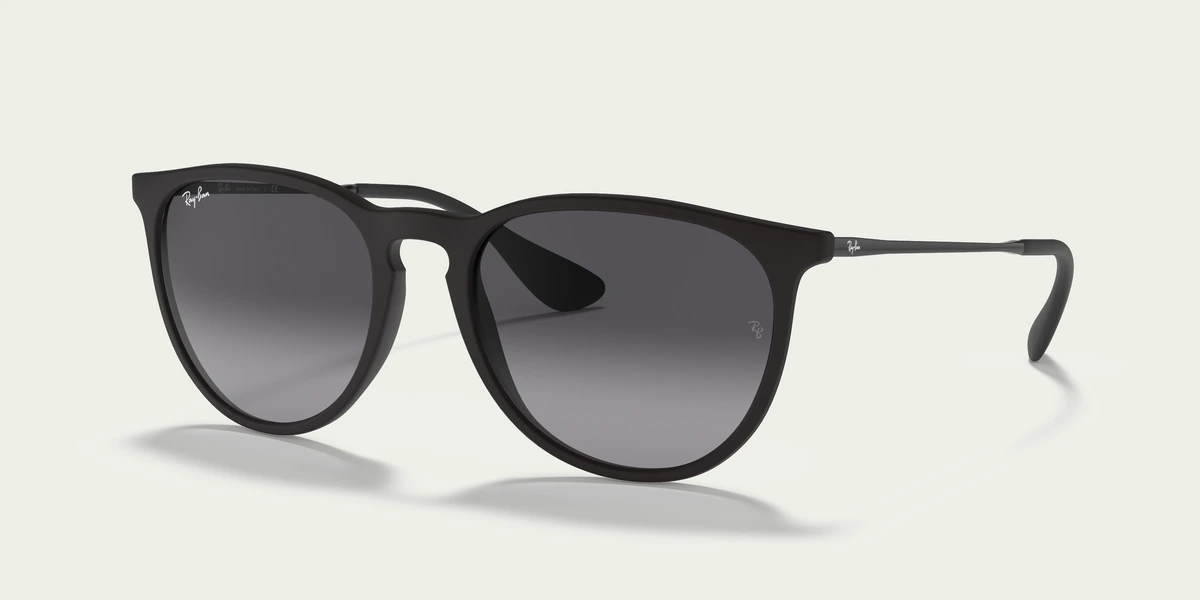
Ray-Ban
Erika Classic
RB4171 622/8G
Matte rubber black · Grey gradient, non-polarized
A softened round front and keyhole bridge meet slim metal temples. The grey gradient is a separate lens choice, not a UV or driving label.
Selected size 54 mm. Manufacturer variant · Listing checked 8 Nov 2026.
Confirm 622/8G, 54 mm and grey gradient. Model, color and size match, but Amazon and the current manufacturer record use different GTINs.
Listing details to confirm
622/8G / 54, matte rubber black and grey gradient, non-polarized. Amazon's selected model code, color and size agree; its GTIN differs from the current official page. This is a configuration match, not a barcode match.
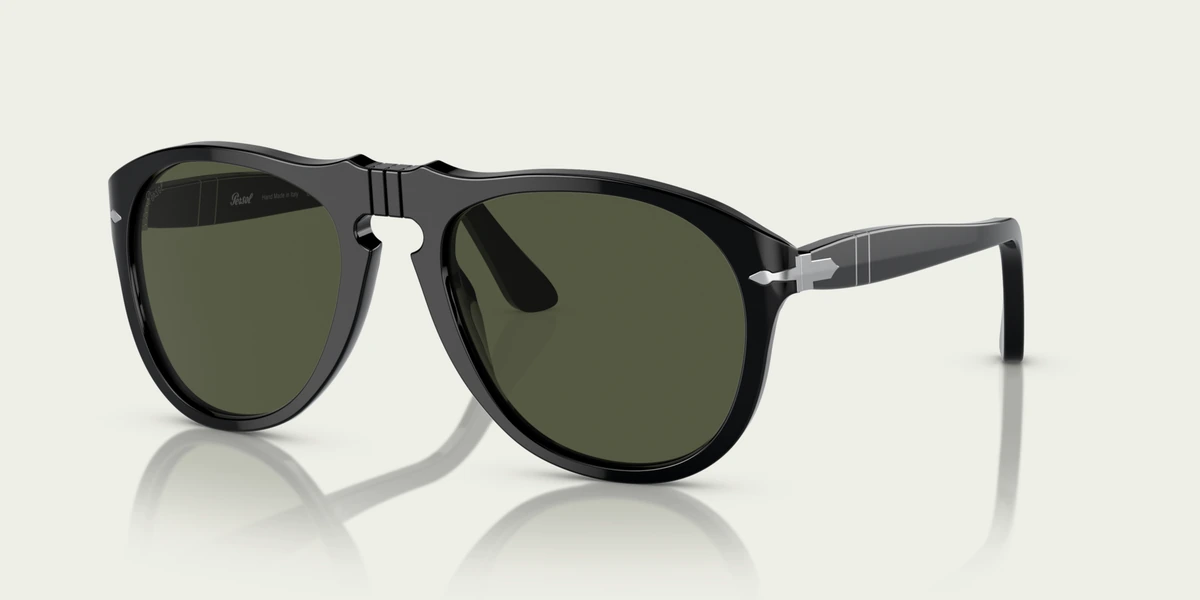
Persol
649 Original
PO0649 95/31
Black · Green
The thick black rim follows a rounded lens outline. Compare the shaped bridge with a frame that has separate nose pads.
Selected size 52 mm. Manufacturer variant · Listing checked 8 Nov 2026.
Care-kit bundle. Confirm 95/31, black and green, selected at 52 mm. An Amazon summary says 53 mm. The bundle UPC differs from the frame UPC.
Listing details to confirm
95/31 black / green; linked care-kit bundle selected at 52 mm. The selected size control and measurements say 52, but a summary title says 53. Confirm 52 and code 95/31; the bundle UPC is not the manufacturer frame UPC.
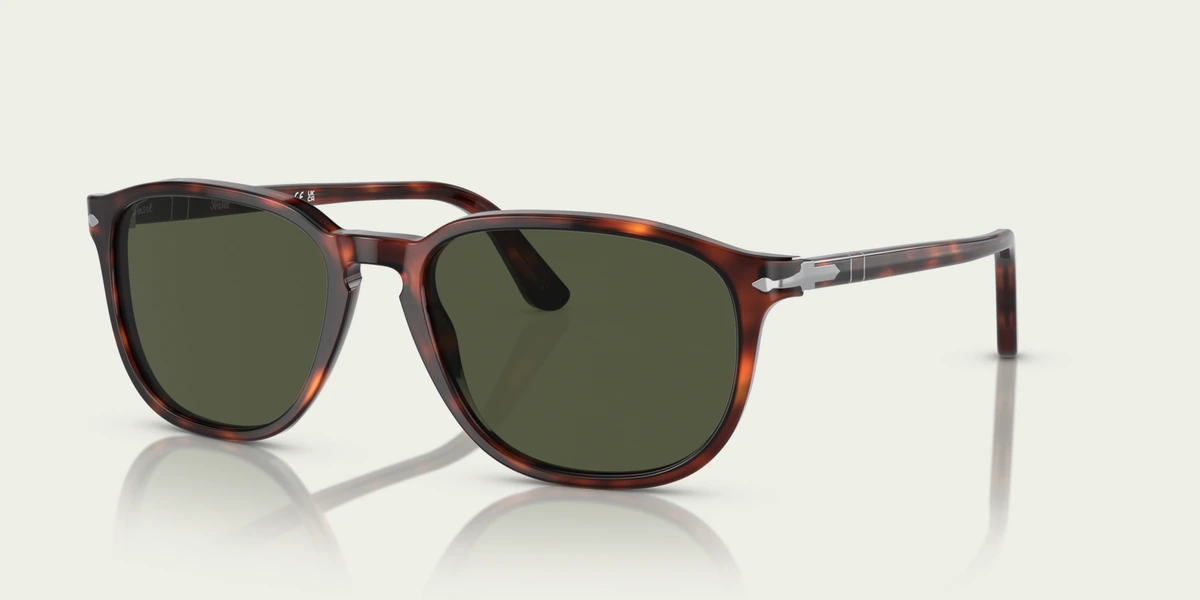
Persol
PO3019S
PO3019S 24/31
Havana · Green, non-polarized
Havana acetate surrounds green lenses in a rounded square rim. The arrow detail sits at the outside of the front.
Selected size 52 mm. Manufacturer variant · Listing checked 8 Nov 2026.
Confirm 24/31, 52 mm and Havana/Green. The 55 mm option is a different manufacturer variant.
Listing details to confirm
24/31 / 52: Havana and green, non-polarized. Manufacturer size-specific SKU and Amazon UPC/MPN agree. Confirm 52 mm rather than the alternative 55 mm.
Identify who is selling the pair
A marketplace name is not necessarily the seller's name. Check the seller shown for the selected offer, the invoice details and the returns address. If a seller claims to be authorized, check the manufacturer's current retailer lookup where one is available. Do not treat an unsupported badge as confirmation.
Save the selected variant before paying
Keep a record of the model code, color code, size and lens description. A product-family title can cover several variants. If the title, size selector and technical details disagree, ask the seller to confirm the exact configuration. A low price, a high price or a care-kit bundle does not resolve that disagreement.
Read the return and warranty terms
Check the return period, return shipping terms and any condition restrictions for that seller and offer. Ask who handles a warranty claim and what documentation is required. Do not assume an authorized-retailer claim or a manufacturer photo extends a particular warranty to every marketplace seller.
Inspect condition without inventing an authenticity test
After delivery, compare the markings with your order record and the manufacturer's exact variant. Photograph a different code, damaged hinge, loose part or missing item before arranging a return. Hinges, finish and weight can reveal condition problems, but there is no universal heavy-versus-light or etched-versus-painted rule that proves authenticity.
A case, box or card is supporting information, not proof. Missing packaging may matter to the sale description, especially for a used pair, without establishing a counterfeit. A matching printed number may be a model or batch marking rather than a unique serial number. Ask the seller or manufacturer about the discrepancy instead of relying on one clue.
Verify UV protection separately
The National Eye Institute advises looking for 99% to 100% UVA and UVB protection or UV400. It also says not to assume expensive designer sunglasses provide better UV protection. If the claim is uncertain, NEI notes that many optical shops can test UV blocking with a photometer. That is a lens check, not a brand-authentication service.
Lens guidance
- National Eye Institute, UV protection labels
Checked 2026-11-07.