Start with the reflection that bothers you
The American Academy of Ophthalmology explains that polarization filters reflected glare. It is a different question from whether you like a green, grey or blue lens. Think about where you will wear the pair, then check the manufacturer's lens description for that exact model and color code.
Check your screens before committing
AAO cautions that LCD screens can be harder to read through polarized lenses. If you can try the pair, look at the phone, watch or dashboard display you rely on. A clear view through one pair does not prove that every polarized lens works with every display. AAO also notes a limitation when you need to spot ice.
Three exact green or blue options
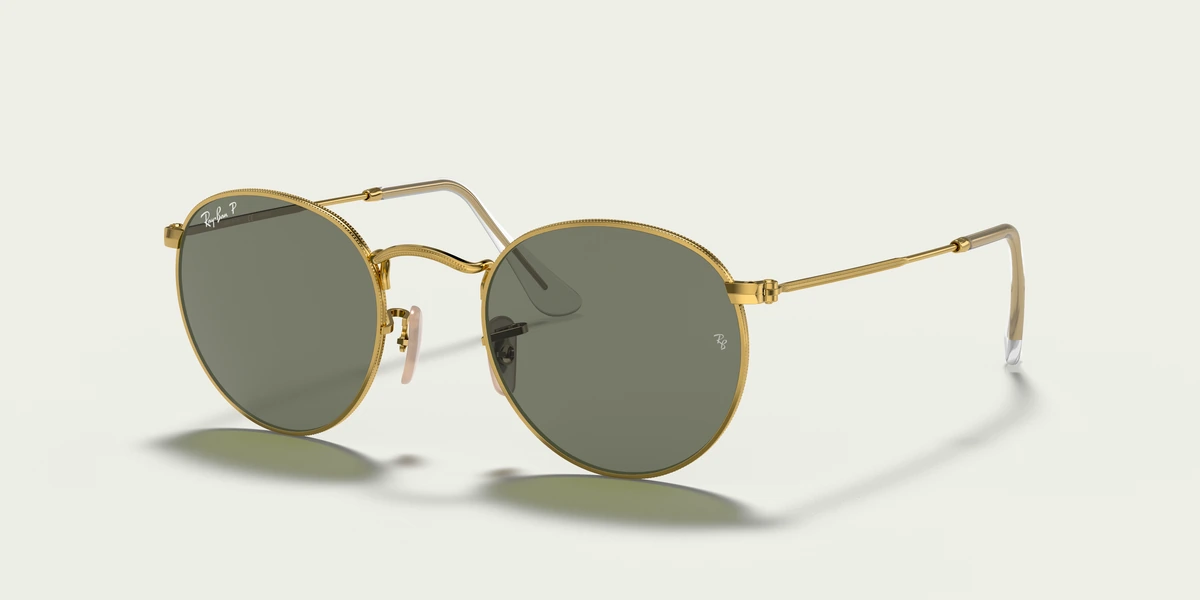
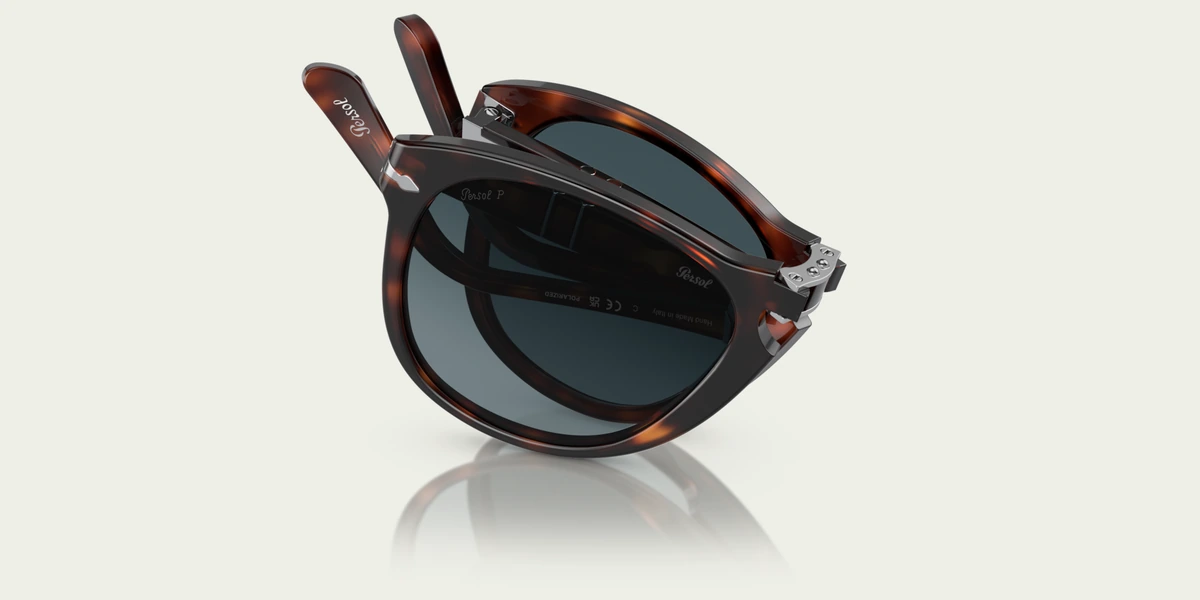
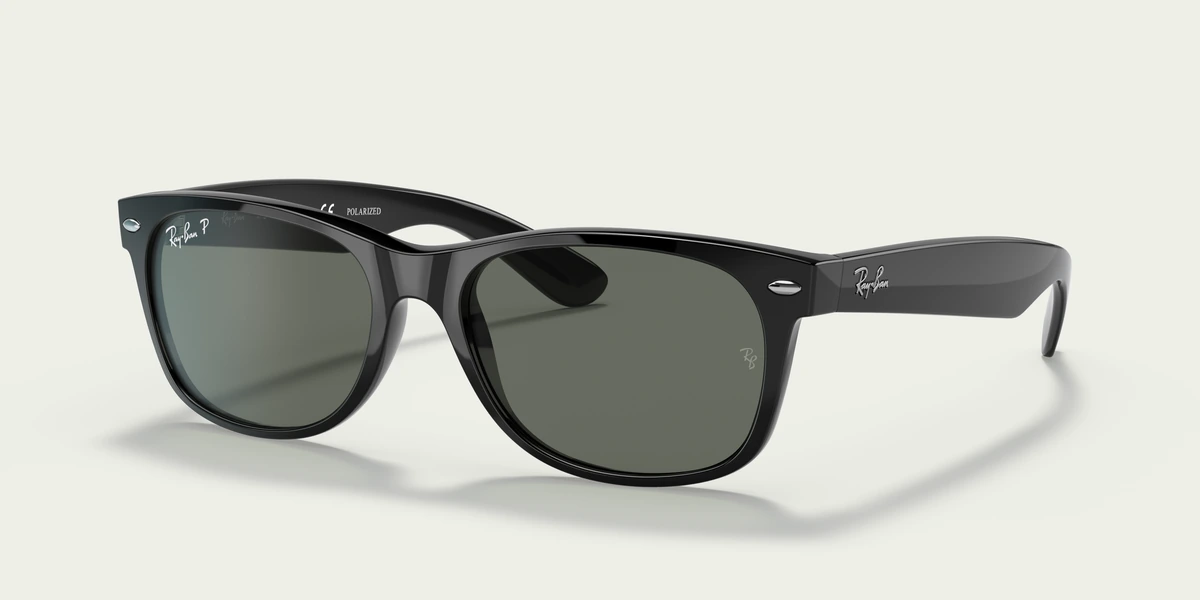
The black New Wayfarer 901/58 size 52 has green polarized glass lenses. Round Metal 001/58 size 50 combines a gold rim with G-15 green polarized lenses. Persol 714 24/S3 size 54 has Havana frames and blue gradient polarized lenses. Their colors and constructions differ. None is a substitute for checking the intended use and UV specification.
Keep low light out of the promise
Darkened or polarized night-driving glasses can reduce the light reaching your eyes, according to AAO. Do not choose a tint as a treatment for difficulty seeing at night. Ask an eye-care professional about persistent glare or vision symptoms.